No Anger Doctor in Silchar for now
Frequently Asked Questions
If sadness lasts more than two weeks, affects your appetite, sleep, or ability to function, or includes thoughts of self-harm, it’s important to seek professional help.
If they persist, worsen, or interfere with daily life, it's important to consult a healthcare provider to rule out underlying psychological or medical conditions.
Sleep issues can be caused by stress, anxiety, depression, irregular sleep schedules, poor sleep habits, caffeine intake, or underlying health conditions like sleep apnea or thyroid disorders.
Yes, if anger is affecting your life or relationships, therapy or anger management programs can provide strategies to understand triggers and respond more calmly.
Maintaining a regular sleep schedule, reducing screen time before bed, eating well, exercising regularly, and managing stress can help regulate mood and improve sleep.
Yes, insufficient or poor-quality sleep affects brain function and emotional regulation, leading to irritability, sadness, or emotional instability.
Maintain a consistent sleep schedule, avoid screens before bed, limit caffeine and alcohol, create a relaxing bedtime routine, and keep your bedroom dark and cool for better sleep.
Most adults need 7 to 9 hours of quality sleep each night for optimal health and functioning. needs may vary based on age, lifestyle, and health.
Yes, especially during puberty, menstruation, pregnancy, or menopause, hormonal fluctuations can disrupt mood and sleep patterns.
Signs include difficulty falling asleep, frequent awakenings, waking up tired, snoring, daytime fatigue, irritability, and trouble concentrating.
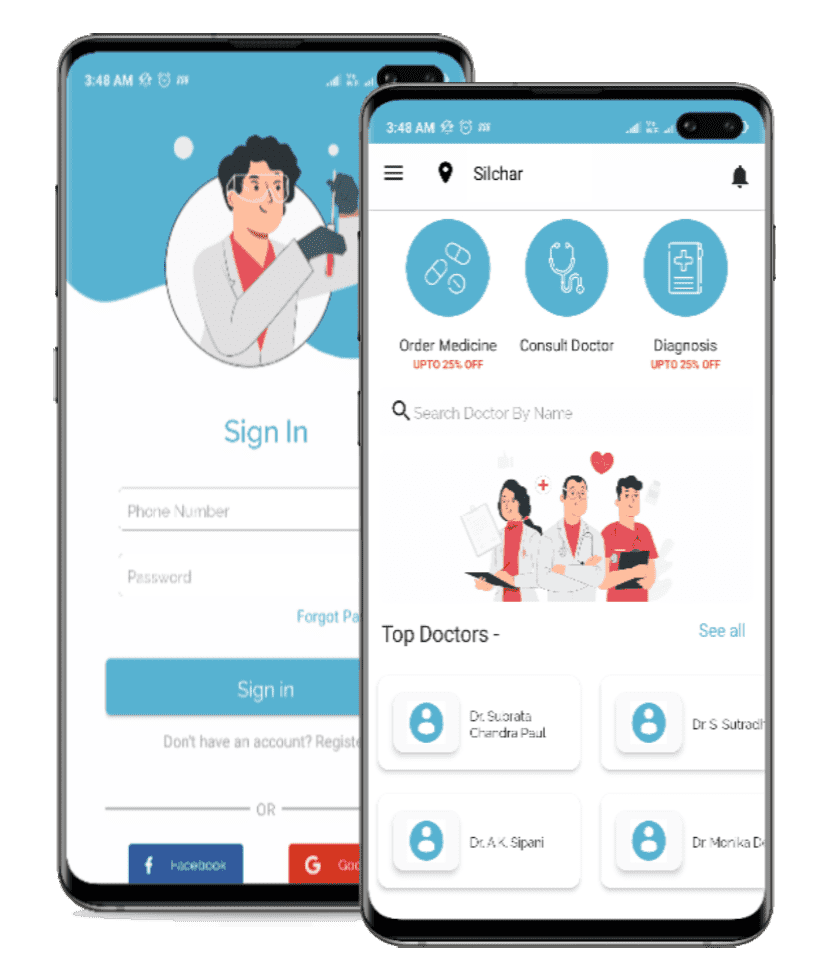
Download Quickobook App
Book appointment & health checkups;
Online lab test & consult doctor online
Get the link to download the app
+91
 Play Store